
Why Do Some People Find It Easier to Talk Side by Side?
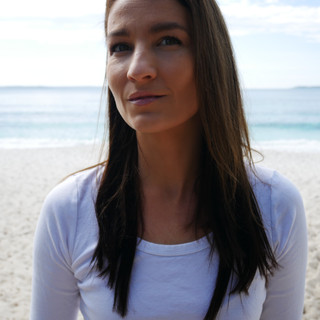
For some people, sitting face to face in a therapy room can feel intense. Walk and talk therapy offers another option: speaking with a therapist while walking alongside them outdoors.
People’s experiences differ, but some research participants have described side-by-side walking as helping them feel less self-conscious or more at ease while talking. Qualitative studies explore these experiences; they do not mean that everyone will find walking easier, or that outdoor therapy is more effective for all clients. Wiley Online Library

Less pressure to maintain eye contact
In a traditional session, the therapist and client usually face one another. While walking side by side, eye contact may be less frequent and more natural. Some people appreciate that change, particularly when sustained face-to-face conversation feels uncomfortable.
That doesn’t mean eye contact is a problem or that walking suits everyone. A client may prefer the clarity and privacy of a room, or may find it harder to concentrate outdoors.
A shared focus beyond the conversation
During a walk, the therapist and client can notice the route, the surroundings and the pace together. This shared activity may make conversation feel less formal for some people. The environment can also create natural pauses, rather than requiring someone to fill every moment with words.
The therapist still needs to keep the session purposeful and attentive. A park or path does not do the therapeutic work by itself.
Movement can shape the experience
Walking brings movement into a session that might otherwise involve sitting. Some people say this helps them settle into conversation or gather their thoughts. Research has explored how movement and outdoor settings are experienced in therapy, but the evidence is still developing and does not establish one explanation for why people may prefer this format. Wiley Online Library
The outdoor setting needs to feel workable
Talking side by side can have practical challenges. Other people may be nearby, the route may be noisy, and the weather or terrain may affect comfort. The therapist and client should discuss privacy, accessibility, pace and what to do if the setting stops feeling suitable.
Walk and talk therapy is one possible way to meet with a therapist. It is not automatically more relaxed, more effective or more appropriate than indoor therapy. The right setting depends on the person and the work they want to do.
If you’re curious about trying it, ask the therapist how they choose routes, protect privacy and adapt sessions to individual needs.
Curious whether walk and talk therapy could suit you? Explore our directory to find a therapist and ask them about their approach, session options and what might work best for your needs.


Comments