
Why Walking Helps You Think, Feel, and Talk More Clearly
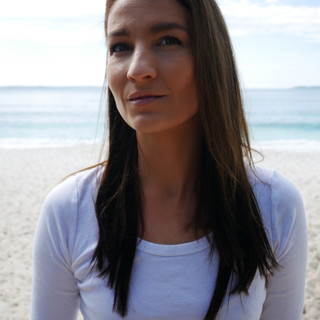
For many people, talking about how they feel doesn’t come easily — especially when sitting face-to-face in a room, under bright lights, trying to “find the right words.”
If that sounds familiar, you’re not alone.
There’s a growing reason why walking (rather than sitting) can make thinking clearer, emotions feel lighter, and conversations flow more naturally.

Walking changes how the brain processes thoughts and emotions
When you walk, your body isn’t just moving — your nervous system is responding.
Gentle, rhythmic movement:
Lowers physical tension
Reduces stress hormones
Helps the brain shift out of survival mode
This creates a mental state where:
Thoughts feel less crowded
Emotions feel more manageable
Words come more freely
It’s one reason people often say “I think better when I’m walking.”
Side-by-side movement reduces pressure
Traditional therapy often involves:
Sitting still
Sustained eye contact
Long silences that feel heavy
For some people, this can increase self-consciousness or emotional shutdown.
Walking side-by-side removes that pressure.
There’s no need to “perform,” maintain eye contact, or feel watched. The movement itself creates space — physically and mentally — making it easier to open up at your own pace.
Walking supports emotional regulation
Movement helps regulate the nervous system, especially for people who:
Feel overwhelmed easily
Struggle with anxiety or emotional overload
Find it hard to sit still when stressed
Walking gives the body something constructive to do while the mind processes emotions. This can help prevent spiralling thoughts and emotional flooding.
Many people notice that difficult topics feel less intense when discussed while moving.
Being outdoors adds another layer of calm
When walking happens outdoors, there’s an added benefit.
Natural environments have been shown to:
Reduce mental fatigue
Improve mood
Support emotional recovery
Even simple elements — fresh air, open space, changing scenery — help the brain reset. Nature gently pulls attention outward, making inner experiences feel less overwhelming.
You don’t need to be “fit” to benefit
Walking-based therapy isn’t about exercise or pace.
It can be:
Slow
Gentle
Adapted to your comfort and ability
Some people walk around their neighbourhood. Others walk in nature. Many people even walk while talking on the phone.
What matters is movement — not speed.
Who this approach often suits
Walking and movement-based therapy can be especially helpful if you:
Feel stuck in your thoughts
Find sitting and talking confronting
Process emotions better while moving
Feel calmer outdoors or in open spaces
It’s also well suited for people who want therapy to feel more natural, flexible, and integrated into real life.
Finding the right therapist matters
Not all therapists work this way — and that’s okay.
What matters is finding someone whose approach fits how you think, feel, and process.
Our directory connects you with practitioners offering:
Walk and talk therapy
Nature-based therapy
Movement-integrated approaches
So you can choose a style that feels supportive, not forced.
Ready to explore movement-based therapy?
Use our directory to find a walk & talk or nature-based therapist that suits your needs and location.


Comments