
Nature-Based Therapy (Ecotherapy): Using Outdoor Environments in Therapy
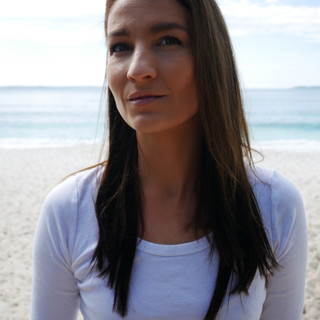
Nature-based therapy, often referred to as ecotherapy, intentionally incorporates natural environments into the therapeutic process.
Rather than treating nature as a backdrop, this approach recognises the environment as an active part of therapy.

What Is Nature-Based Therapy?
Nature-based therapy involves conducting sessions outdoors in environments such as parks, bushland, coastal areas, or gardens.
The natural setting may support reflection, grounding, and emotional regulation while therapeutic work takes place.
How Nature Is Integrated
Nature-based therapy may involve:
walking or sitting outdoors
noticing sensory experiences (sound, texture, light)
reflecting on emotional responses to the environment
The therapist guides the process while remaining responsive to the client’s comfort and needs.
Who Might Nature-Based Therapy Suit?
This approach may suit people who:
feel calmer or more grounded outdoors
find indoor spaces restrictive or overstimulating
want therapy that feels connected to their wider environment
Nature-based therapy is adapted to weather conditions, accessibility, and personal preferences.
What a Session Might Involve
Sessions vary depending on practitioner training, but may include:
walking or stationary outdoor sessions
reflective conversation
gentle awareness of the surrounding environment
The focus remains therapeutic, not recreational.
Exploring Nature-Based Therapy Practitioners
Practitioners offering nature-based therapy may work in different outdoor settings and formats.
You can explore nature-based therapy practitioners through the directory to find approaches that align with you.


Comments